EPDM Rubber Roofing in Mobile & Baldwin County, Alabama
Looking for EPDM roofing on the Gulf Coast? Synthetic rubber membrane roofing with decades of proven performance on Gulf Coast commercial properties. 60-mil fully adhered EPDM for maximum wind uplift resistance. UV-resistant. The cost-effective commercial membrane option.
- 60-Mil Fully Adhered
- Excellent UV Resistance
- 20–30 Year Service Life
- Wind Zone III Compliant
What's Going On With Your Roof?
Free inspections • Same-day response • No obligation
No obligation · Licensed & insured · Same-day response
EPDM Rubber Roofing Delivers Proven Performance in Gulf Coast Conditions
EPDM (ethylene propylene diene monomer) is a synthetic rubber membrane with a decades-long track record on commercial flat and low-slope roofs across the country, including Gulf Coast markets. As a licensed and insured roofing contractor serving Mobile County and Baldwin County, we install EPDM where it makes sense — and recommend alternatives where it doesn't. Its fundamental strength is UV resistance — EPDM's molecular structure resists UV degradation better than most membranes, which matters in South Alabama where UV intensity is significantly higher than national averages. A properly installed 60-mil EPDM system can realistically achieve 20–30 years of service life in our climate, placing it among the longer-lasting commercial flat roofing options.
The primary consideration for Gulf Coast EPDM installations is thermal: EPDM's standard formulation is black. In a climate where summer roof surface temperatures on dark membranes regularly exceed 180°F, black EPDM absorbs substantially more heat than white TPO — increasing cooling load for the building below. The practical solution is reflective EPDM coating, which can be applied at installation or as a retrofit on existing systems. We recommend reflective coating on all EPDM commercial projects in South Alabama. With reflective coating, the performance gap between EPDM and TPO on thermal grounds narrows significantly.
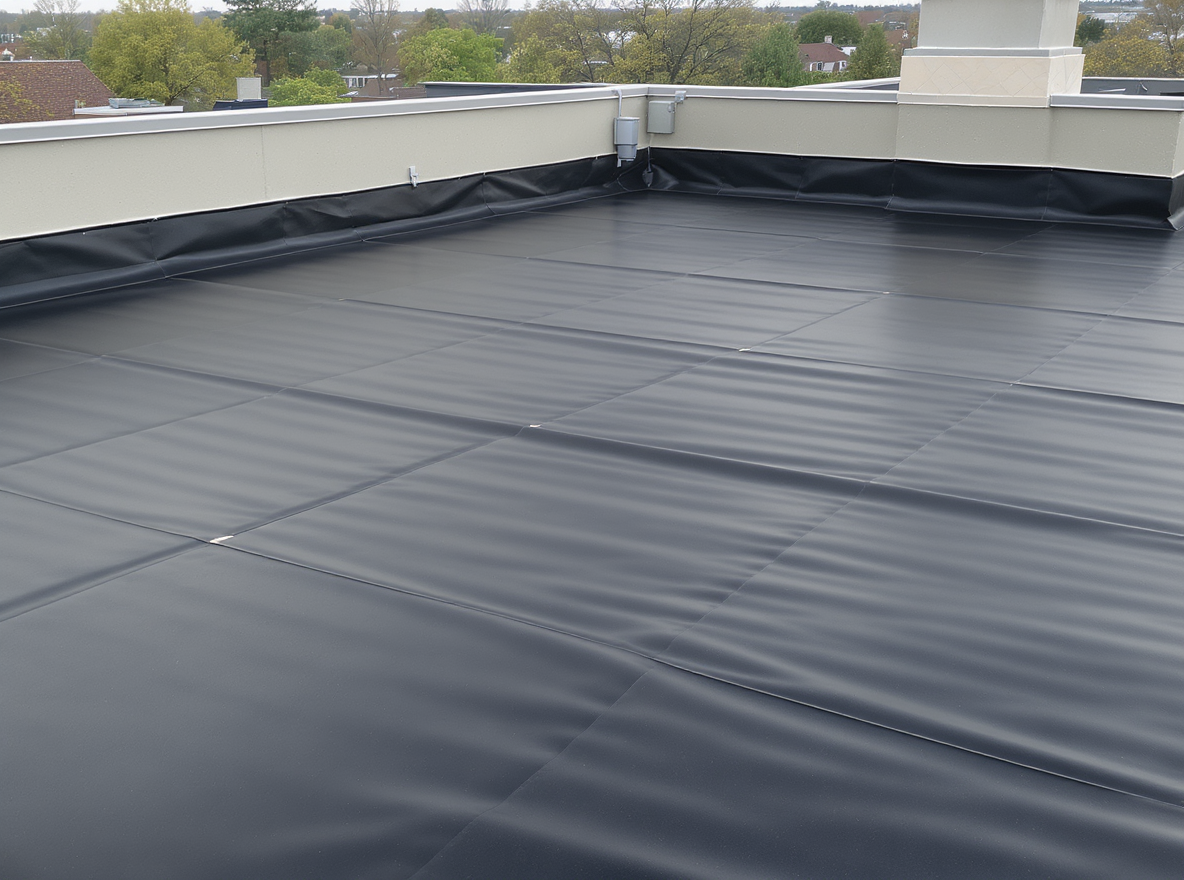
EPDM's attachment method matters more in Gulf Coast conditions than in lower-wind markets. Ballasted EPDM — where the membrane is held down by stone ballast rather than mechanical fastening or adhesive — is widely used in Midwest and Northeast markets where wind loads are lower. It is not appropriate for Gulf Coast commercial buildings in Wind Zone III (140–160 mph design wind speeds). We install fully adhered EPDM, which bonds the membrane to the insulation board across its full area, distributing uplift forces rather than concentrating them at mechanical fastener points. Fully adhered EPDM handles hurricane-force wind loading significantly better than mechanically fastened or ballasted alternatives. Our roofers calculate fastening requirements for every project based on the specific building's wind exposure.
EPDM and ponding water have a complex relationship. EPDM's rubber chemistry tolerates ponding water better than modified bitumen, and its inherent flexibility means it doesn't crack under the thermal stress that plagues more rigid membranes. However, persistent ponding accelerates adhesive joint degradation at seams and penetration flashings even on EPDM. Proper drainage design is as critical for EPDM as for any flat roofing system in our 66-inch rainfall climate.
Cost-Effective EPDM Roofing for South Alabama Commercial Properties
EPDM is the most appropriate specification when cost is the primary constraint and reflectivity is not a critical factor. For properties with good existing insulation, adequate shade from adjacent structures, or lower interior heat loads, the cooling benefit of white TPO is smaller and the cost savings of EPDM become more significant. EPDM runs $0.50–$1.50/sq ft less installed than equivalent TPO — on a 15,000 sq ft roof, that's $7,500–$22,500 in savings that may justify the thermal tradeoff.
EPDM is also the better choice for compatibility with existing systems. If your building has an existing EPDM system that's being repaired rather than replaced, matching the membrane type is important for lap integrity. EPDM-to-EPDM repairs use the same adhesive chemistry and bond consistently; TPO-to-EPDM transitions create compatibility challenges that require additional bridging details.
For commercial properties in our market evaluating EPDM vs. TPO: if your energy costs are a significant concern and the building lacks adequate insulation, TPO's reflectivity advantage is real and the premium is worth it. If the building is well-insulated, the cooling benefit differential narrows and EPDM's cost advantage becomes more compelling. As a full-service roofing company offering all three membrane roofing services, we give you the cost-benefit analysis for your specific building and let you make the call. Contact us for a free roof inspection and honest recommendation from roofing contractors who install all major commercial systems.
EPDM Roofing Specifications Built for Alabama's Wind and UV Exposure
Membrane thickness: 60-mil minimum on all primary commercial buildings. 45-mil is available and not appropriate for Gulf Coast applications — UV exposure at our latitude degrades thinner membranes measurably faster.
Attachment: Fully adhered to polyiso insulation board. Not ballasted (Wind Zone III incompatible). Mechanically fastened in limited applications where fully adhered is not feasible, with increased fastener density calculations for wind zone.
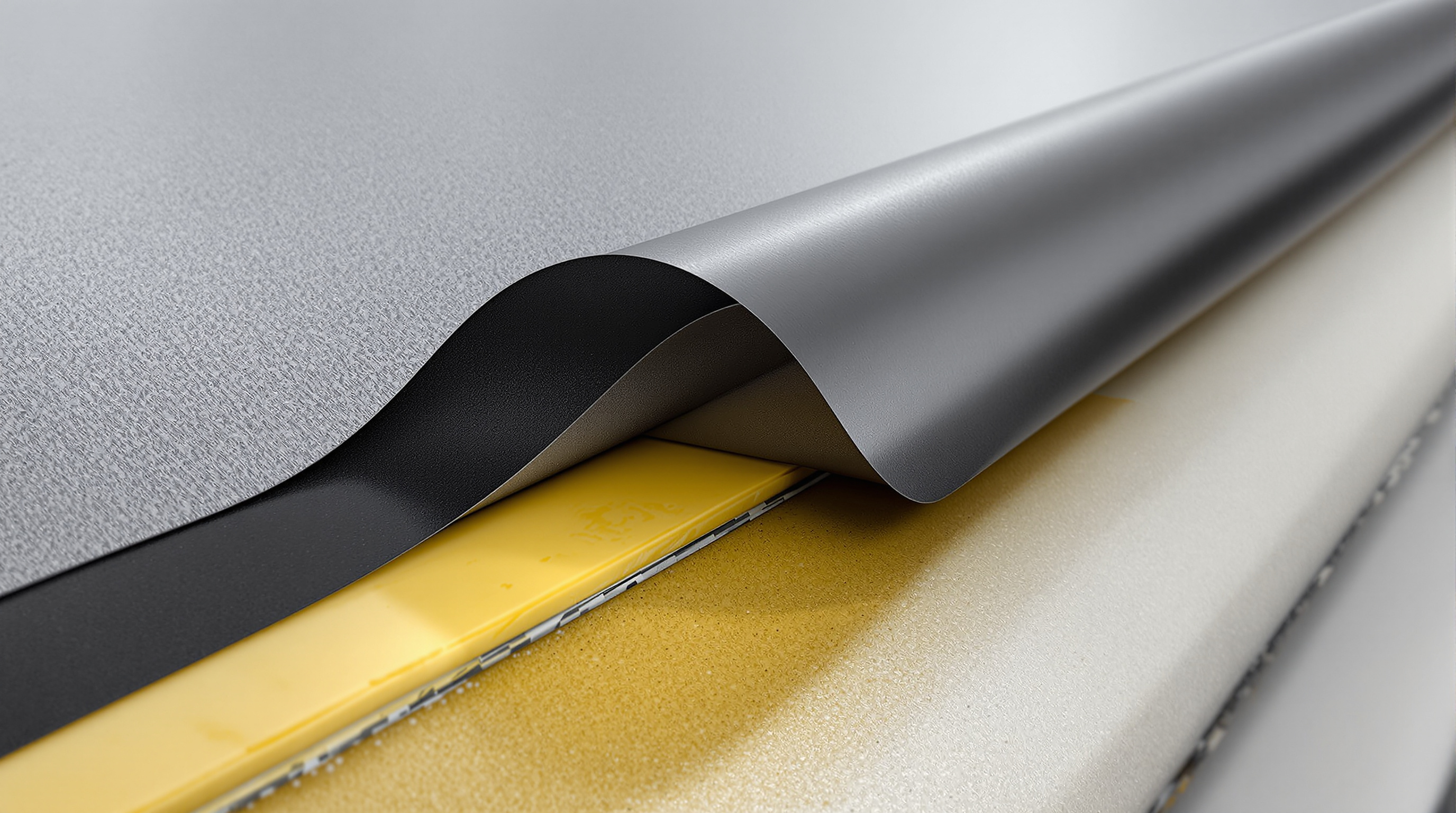
Seam method: EPDM seams are adhesive-bonded using EPDM bonding adhesive or self-adhering seam tape. Seams are probed at completion for full bonding width. Unlike TPO, EPDM cannot be heat-welded — seam integrity depends on adhesive quality and application temperature. We do not apply EPDM adhesive below 40°F or above 95°F ambient temperature.
Reflective coating: Acrylic or silicone reflective coating recommended on all South Alabama EPDM installations. Applied after full adhesive cure. Converts black membrane to high-reflectivity white or light gray surface. Adds 5–10% to installed cost; typically recovers in 2–4 years of reduced cooling cost.
- 60-mil fully adhered membrane
- Excellent UV resistance
- 20–30 year service life
- Reflective coating available
- Wind Zone III compliant
- Budget-friendly vs. TPO/PVC
- Compatible with existing EPDM
- Restoration coating option
EPDM Installation Process for Commercial Buildings
EPDM installation in Gulf Coast conditions requires specific attention to adhesive application temperature windows, attachment method, and drainage engineering. Our installation sequence is designed around the realities of working in South Alabama's heat and humidity — not modified from a northern-market procedure manual.
- 1
Roof Survey and Condition Assessment
We inspect the existing roof system from deck to surface — structural deck condition, insulation moisture content (infrared scan where applicable), existing drain and scupper functionality, penetration inventory, and parapet condition. For EPDM, we also assess whether an existing EPDM system can be restored with coating rather than fully replaced, which can save 30-50% of project cost when the membrane and insulation are sound. Wind uplift calculations are performed for insulation fastening density at corner, perimeter, and field zones per ASCE 7-16.
- 2
Tear-Off and Deck Preparation
Existing membrane and any moisture-saturated insulation are removed completely. The structural deck is inspected and repaired — corroded metal decking, deteriorated wood nailers, and damaged blocking at parapets and curbs are replaced. New polyisocyanurate insulation board is installed with tapered sections to create positive slope to drains. Insulation fastening density is per the wind uplift calculation — not generic manufacturer guidance.
- 3
EPDM Membrane Adhesion
60-mil EPDM membrane is fully adhered to the insulation substrate using EPDM bonding adhesive. Adhesive application in Gulf Coast conditions requires careful attention to temperature and humidity — we do not apply bonding adhesive below 40°F or above 95°F ambient, and high humidity conditions require adjusted open time before membrane contact. The membrane is rolled into the adhesive with a weighted roller to ensure full contact across the entire bonded area. No air pockets, wrinkles, or unbonded zones are acceptable.
- 4
Seam Bonding and Penetration Flashing
All EPDM seams are bonded using EPDM seam adhesive or factory-applied self-adhering tape with a minimum 3" overlap. Every seam is rolled with a steel roller under pressure to ensure full adhesive contact width. Penetrations — HVAC curbs, pipe boots, conduit entries, and vent stacks — are flashed with EPDM-compatible pre-formed boots or field-fabricated EPDM details bonded with the same adhesive system. Parapet walls receive full EPDM coverage with termination bar and counter-flashing at the top.
- 5
Seam Verification, Coating, and Documentation
Every seam is probed for full bonding width — any areas with incomplete adhesion are re-bonded before the roof is accepted. Reflective coating (acrylic or silicone) is applied after full adhesive cure if specified. Edge metal is installed per ANSI/SPRI ES-1. The completed system is photographed and documented. You receive manufacturer warranty documentation and our workmanship warranty covering installation details.
EPDM Maintenance on the Gulf Coast
EPDM maintenance in Gulf Coast conditions focuses on three areas: seams, drains, and penetration flashings. Unlike heat-welded TPO seams that create a permanent molecular bond, EPDM seams rely on adhesive — and adhesive in our climate of extreme humidity, UV intensity, and thermal cycling requires monitoring. We recommend biannual inspection for all EPDM commercial roofs in South Alabama: once in spring before hurricane season and once in fall after the storm period ends.
Seam inspection is the most critical EPDM maintenance task. Adhesive-bonded EPDM seams can develop edge lift — where the top membrane edge begins to separate from the underlying sheet — as adhesive ages in Gulf Coast thermal cycling (daily temperature swings of 40-70°F on the membrane surface). Early edge lift is a simple repair: clean, prime, and re-bond the lifted area. Undetected edge lift that progresses during a tropical rain event becomes interior water damage. Catching seam issues early is the difference between a $200 repair and a $5,000 problem.
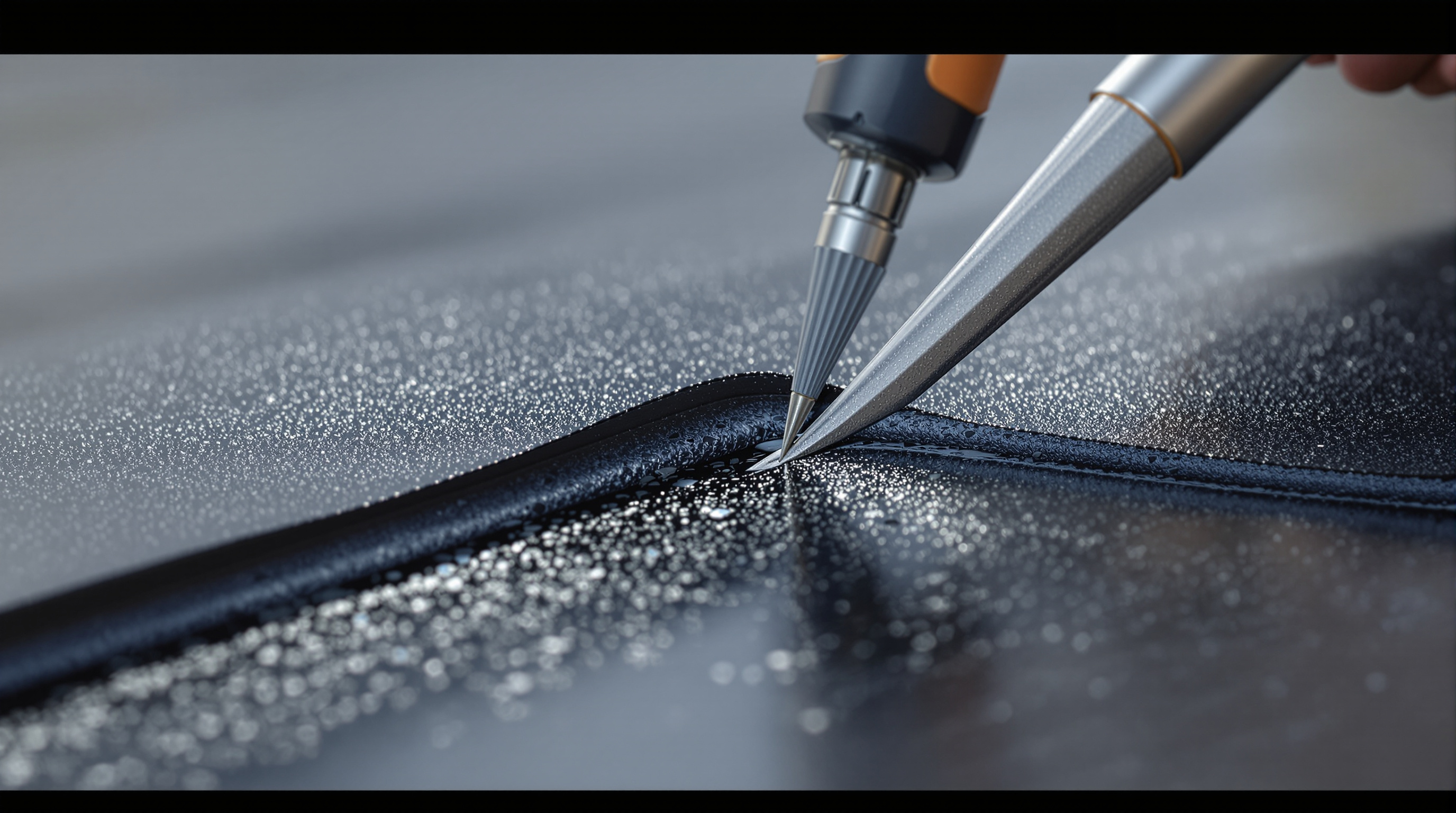
Drain and scupper cleaning prevents the ponding that kills EPDM roofs early. Gulf Coast subtropical tree canopy — live oaks, magnolias, pine straw, Spanish moss — drops debris on commercial roofs year-round. A single blocked drain during a 3-inch-per-hour summer thunderstorm creates ponding that can persist for days. Persistent ponding on EPDM accelerates adhesive joint degradation at seams and penetrations. We clear every drain body, scupper, and overflow at each maintenance visit — not just a visual check, but physical clearing of all debris.
Penetration flashing sealant degrades faster at Gulf Coast latitude than anywhere else in the Southeast. UV intensity, thermal cycling, and humidity combine to break down the sealants used at pipe boots, HVAC curb terminations, and parapet counter-flashings. Most sealant manufacturers rate their products for 5-7 year exposure life, but in our market, we see degradation beginning at 3-4 years on south-facing exposures. Re-sealing penetrations at each biannual visit keeps sealant ahead of failure rather than chasing leaks after they start.
When EPDM Is the Right Choice for Your Commercial Building
EPDM is the strongest specification when budget is the primary constraint and you need a proven membrane. For commercial property owners replacing a roof on a building where every dollar of capital expenditure matters — a warehouse, a storage facility, a secondary commercial building, or a rental property where the return on premium membrane cost doesn't pencil — EPDM delivers 20-30 years of reliable waterproofing at the lowest installed cost per square foot of any commercial membrane. At $5.50-$8.50/sq ft vs. $6.50-$9.50 for TPO and $7.00-$10.50 for PVC, the savings on a 15,000 sq ft building can be $15,000-$30,000.
EPDM is also the correct specification for buildings with existing EPDM systems that need partial repair. When only a section of your EPDM roof needs replacement — around a new HVAC unit, at a persistent ponding area, or at a failed seam section — matching EPDM to EPDM ensures adhesive compatibility and lap integrity. Introducing TPO into an EPDM system creates a transition detail that requires additional bridging and is a long-term maintenance concern.
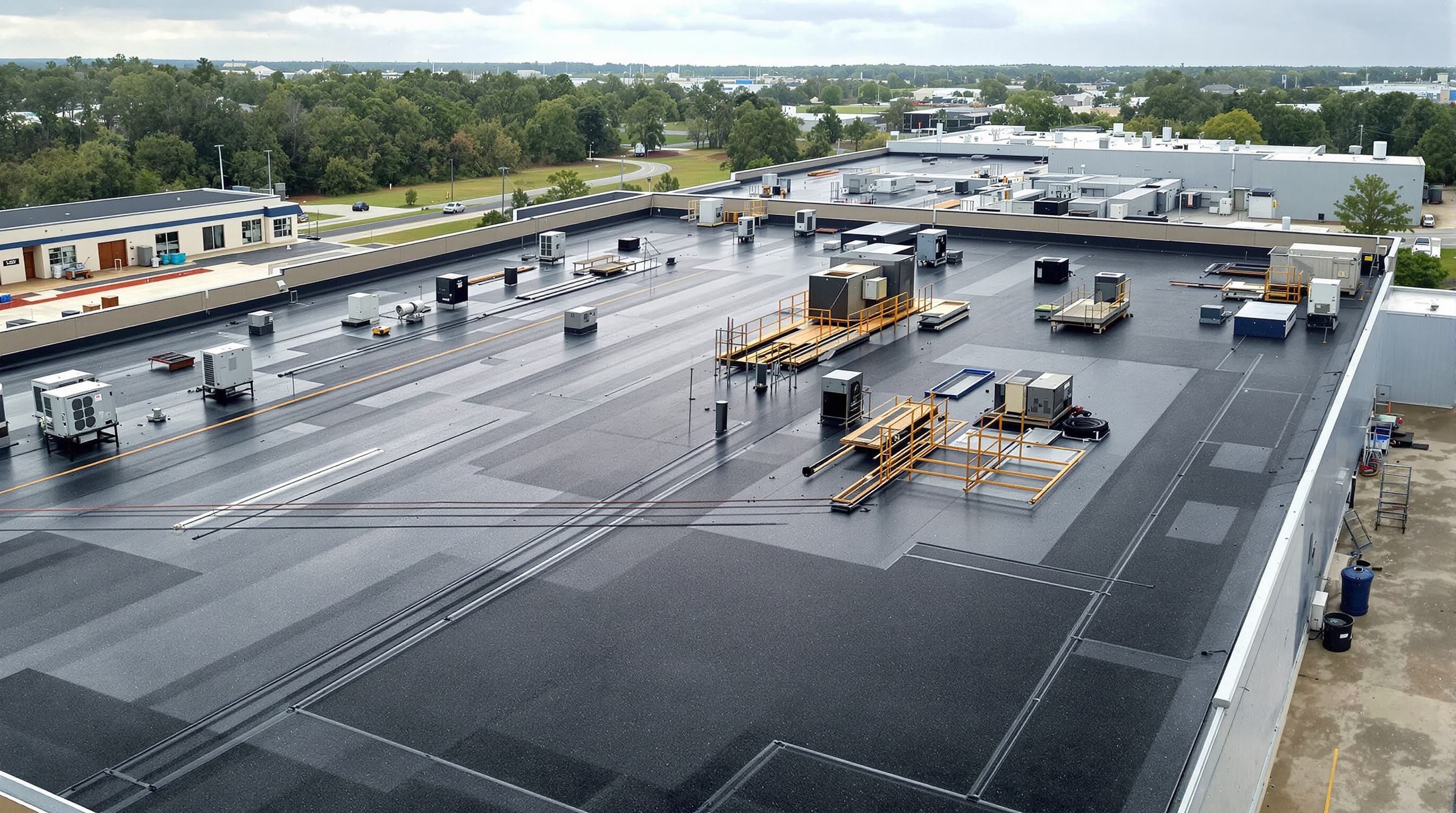
Low-slope buildings with adequate existing insulation get the most value from EPDM. The primary performance gap between EPDM and TPO is thermal — EPDM's black surface absorbs more heat. But if your building already has R-25 or better insulation under the roof deck, the cooling cost differential between black EPDM and white TPO narrows significantly. For well-insulated commercial buildings in our market, the energy cost difference may not justify TPO's premium. We run the comparison for your specific building and give you the honest numbers during a free roof inspection.
Warehouses, distribution centers, and large-footprint commercial buildings see the biggest EPDM cost advantage. EPDM's labor efficiency on large, simple roof planes is excellent — fewer penetrations, longer runs, and straightforward drainage on a building that's mostly open floor plan. The $1.00-$1.50/sq ft savings over TPO on a 30,000 sq ft warehouse is $30,000-$45,000 — a meaningful number for any commercial property owner evaluating roofing options in the Gulf Coast market.
EPDM Roofing Questions from Mobile and Baldwin County Property Owners
60-mil fully adhered EPDM with reflective coating and adequate drainage: 20–30 years in Gulf Coast conditions. EPDM's UV resistance is one of the better among commercial membranes, which contributes to its longevity in our high UV environment. The upper range of service life requires annual drain cleaning and biannual penetration flashing inspections.
60-mil EPDM fully installed: $5.50–$8.50 per square foot. This includes tear-off, polyiso insulation board, membrane, penetration details, and edge metal. Reflective coating adds $0.40–$0.80/sq ft. The cost advantage over TPO ($0.50–$1.50/sq ft less) makes EPDM attractive for large-footprint properties where that differential represents significant savings.
Ballasted EPDM uses stone or pavers to hold the membrane down by gravity rather than adhesive or mechanical fastening. In ASCE 7 Wind Zone III (140–160 mph design wind speeds), ballasted systems don't meet uplift requirements — the ballast weight insufficient to resist hurricane-force wind uplift forces. Fully adhered EPDM distributes uplift forces across the entire bonded area and is the correct specification for our wind zone. We do not install ballasted EPDM in Gulf Coast markets.
Yes, if the membrane is structurally sound and the insulation is dry. Silicone or acrylic coating on clean, dry, sound EPDM can extend service life 10–15 years at 30–50% of full replacement cost. The qualification test requires a physical inspection and potentially IR scanning to confirm no moisture-saturated insulation. We provide a written assessment of whether your EPDM is a restoration candidate before recommending either path.
Get Your Free Roof Inspection
We'll assess your roof's condition and provide a detailed report — no cost, no obligation.
- Thorough roof inspection
- Detailed written report
- Same-day scheduling available
- Licensed & insured across Mobile & Baldwin County
What's Going On With Your Roof?
Free inspections • Same-day response • No obligation
No obligation · Licensed & insured · Same-day response