
TPO Roofing in Mobile & Baldwin County, Alabama
Looking for TPO roofing in South Alabama? The most widely installed commercial flat roofing system in the U.S. Heat-welded seams, white reflective surface for Gulf Coast heat, Wind Zone III compliant. 20–25 year service life at 60-mil thickness.
- 60-Mil Commercial Grade
- Heat-Welded Seams
- ENERGY STAR Eligible
- Wind Zone III Compliant
What's Going On With Your Roof?
Free inspections • Same-day response • No obligation
No obligation · Licensed & insured · Same-day response
TPO Roofing Dominates Gulf Coast Commercial Buildings for Good Reason
TPO's dominance in the commercial flat roofing market isn't an accident. As a licensed and insured roofing contractor serving Mobile County and Baldwin County, we see firsthand why TPO addresses the most critical performance requirements in Gulf Coast conditions: seam integrity in tropical rainfall events, reflectivity in a climate where commercial buildings spend months fighting 95°F+ ambient temperatures, and wind uplift resistance in ASCE 7 Wind Zone III when installed with the correct fastening density.
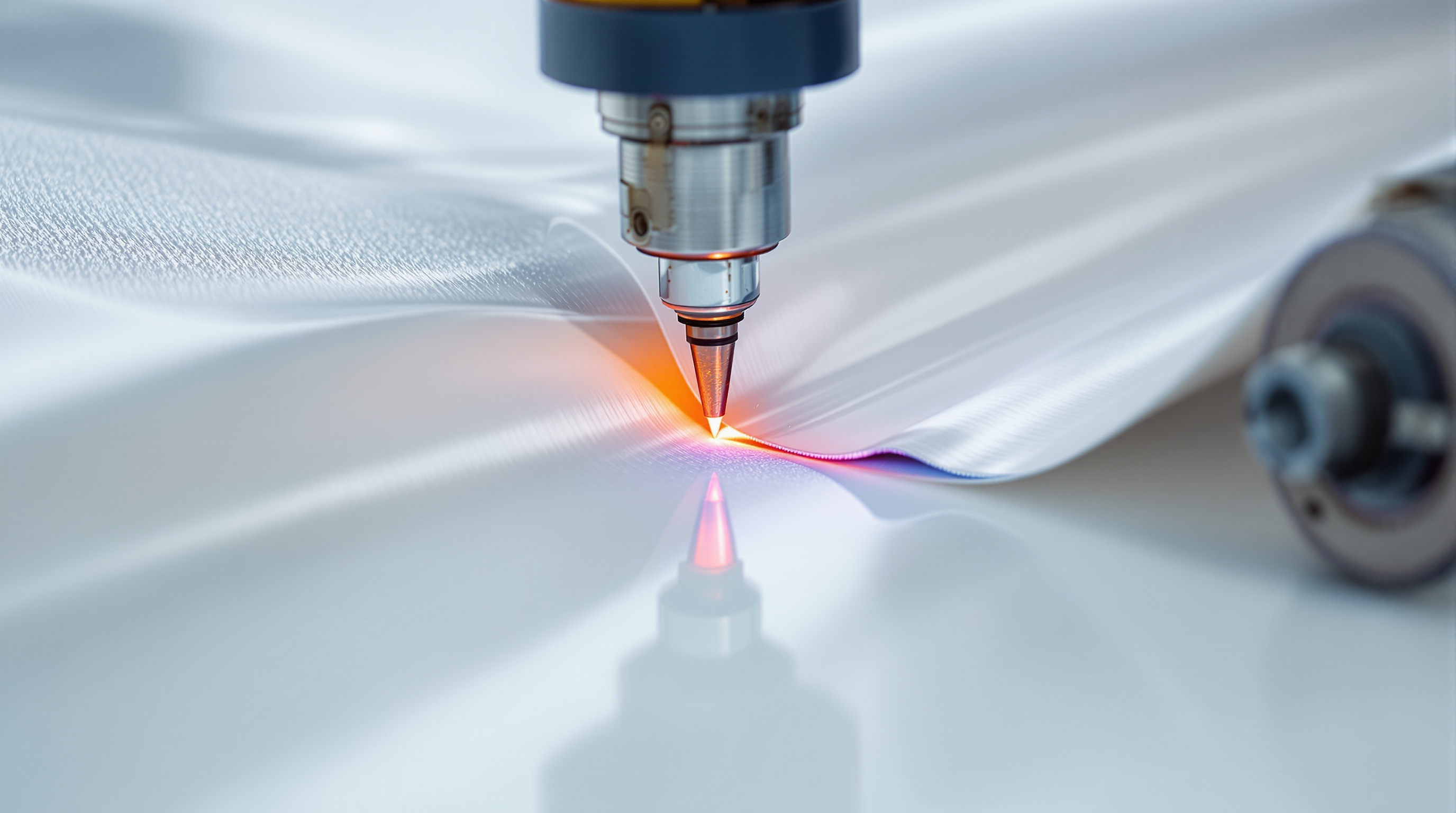
The heat-welded seam is TPO's primary advantage over every other flat roofing system. A properly welded TPO seam creates a homogeneous bond across the full weld width — the seam material and the panel material become a single piece. There is no adhesive, no tape, no sealant that can fail. An adhesive-based seam system — used on EPDM, older modified bitumen, and some PVC applications — relies on the adhesive maintaining its bond through decades of Gulf Coast heat cycling (35°F to 105°F daily swings), UV exposure, and moisture. Heat-welded TPO has no equivalent adhesive failure mode. This is the reason our roofers see TPO outperforming other commercial membranes in post-storm inspections across Mobile County and Baldwin County.
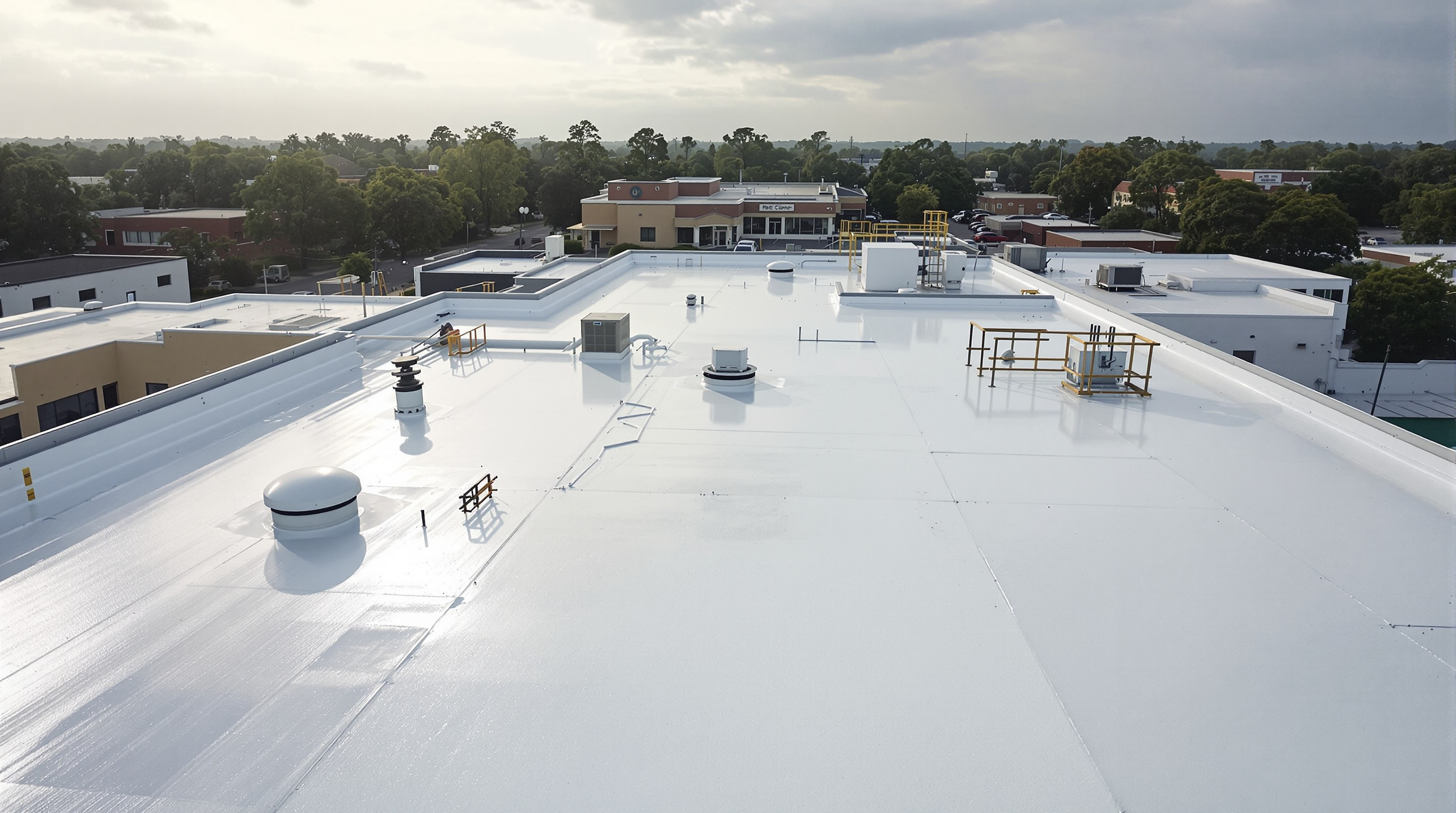
Reflectivity is a real operating cost factor in South Alabama. TPO's standard white surface reflects 80%+ of solar radiation. A dark commercial roof in our climate absorbs solar energy that directly increases cooling load — in a building with a 10,000 sq ft roof, the difference between a white TPO surface and a dark membrane can represent $2,000–$6,000 in annual cooling cost, depending on insulation levels and HVAC efficiency. ENERGY STAR-rated TPO (initial solar reflectance ≥ 0.65) qualifies for Cool Roof Tax Credits and may support LEED certification for applicable commercial projects.
Wind Zone III compliance requires specific fastening density beyond manufacturer minimums. In our 140–160 mph design wind zone, insulation board must be fastened at a density calculated for the actual building location, height, and exposure — not the manufacturer's baseline recommendation. As your local roofing company, we calculate insulation attachment per ASCE 7-16, FM 1-90 requirements where applicable, and local AHJ requirements. The most common failure mode in post-storm commercial roof loss is insulation board uplift from under-fastening — the membrane goes with the board. We don't improvise fastener schedules. Schedule a free roof inspection to see how your current commercial roofing system measures up.
TPO Roofing Specifications for South Alabama's Climate
Membrane thickness: We install 60-mil TPO on all primary commercial roofing projects. 45-mil is an industry cost-cutting option that reduces puncture resistance, reduces UV lifespan, and is ineligible for most manufacturer systems warranty programs. Commercial buildings deserve commercial-grade membrane.
Attachment method: Fully adhered or mechanically fastened to insulation board, depending on deck type and wind zone calculations. Fully adhered systems perform better in hurricane-force uplift events because there are no point loads — the uplift force is distributed across the entire membrane area. Mechanically fastened systems are appropriate for many applications with correct fastener spacing.
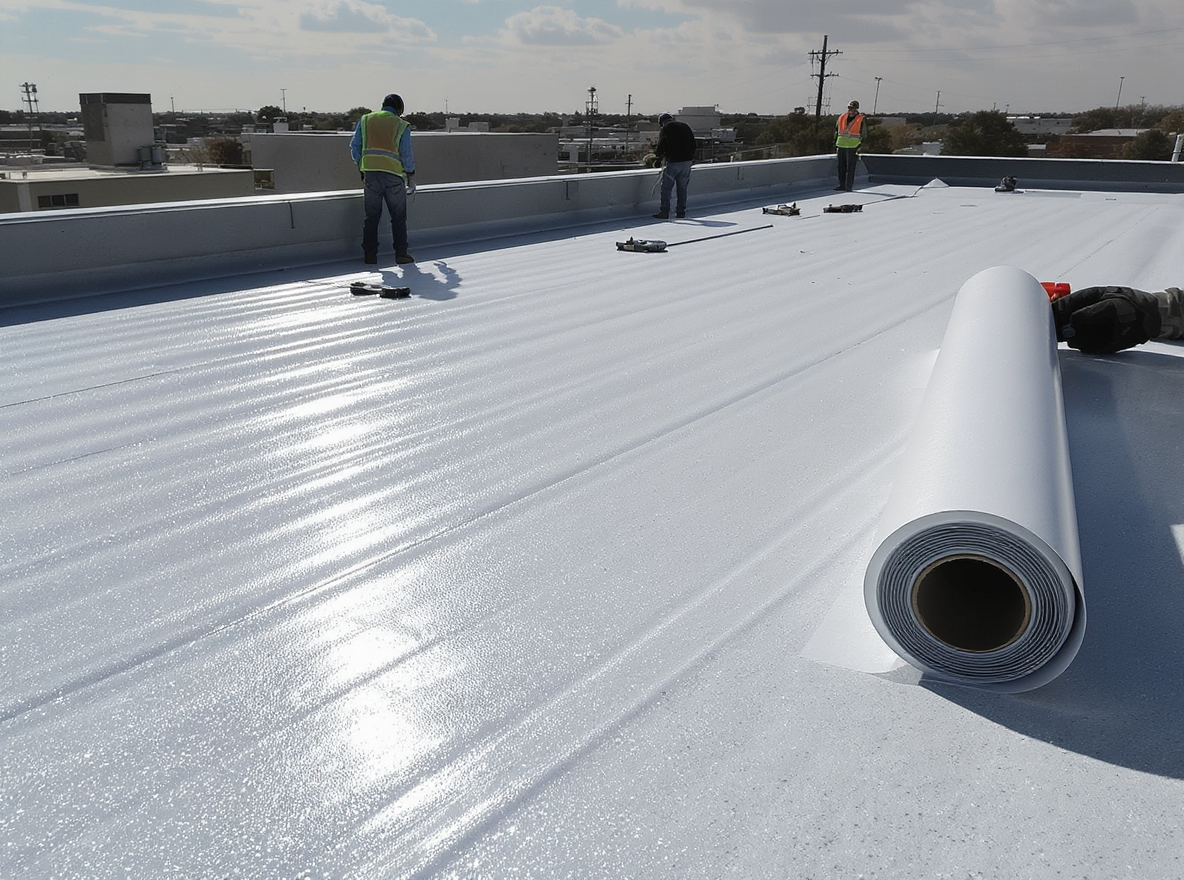
Insulation board: Polyisocyanurate (polyiso) provides the best R-value per inch and handles Gulf Coast conditions well when protected by the membrane. ASCE 7-16 fastening calculations are performed for every project. Tapered insulation is installed where needed to achieve positive drainage — the number one factor in extending TPO service life in our high-rainfall climate.
Seam width: We weld 1.5" minimum seam width — wider than industry minimum — and probe every seam at completion. No seam passes without verified mechanical fusion. This extra step adds time and it's worth it.
Warranty options: Manufacturer systems warranties from major TPO manufacturers (Carlisle SynTec, Firestone, GAF, Johns Manville) require registered installation before project start, 60-mil minimum, and registered accessories throughout the system. Systems warranties cover both material and labor for 10–20 years depending on the program. We register every eligible project.
TPO Roofing Compared to EPDM and PVC for Alabama Properties
Choose TPO when: energy efficiency matters (white reflective surface), you want the strongest available seam method (heat welding), you have a standard commercial building without chemical exposure, and you want the broadest manufacturer warranty program availability. TPO is the right choice for the majority of Gulf Coast commercial buildings. Our roofing services cover all three membrane types — we recommend the right system, not just the one we prefer to install.
Choose EPDM when: budget is the primary constraint, the building has adequate shade or insulation that makes reflectivity less important, and the project is smaller in scope where cost efficiency matters more. See our EPDM Roofing page for full details.
Choose PVC when: the building has chemical exposure from restaurant grease exhaust, industrial solvent contact, or commercial kitchen venting. PVC is the only single-ply membrane that resists oils and chemicals that degrade TPO and EPDM. See our PVC Roofing page.
- Heat-welded seams (strongest bond)
- 80%+ solar reflectivity
- ENERGY STAR eligible
- 20–25 year service life at 60-mil
- Wind Zone III compliant
- Manufacturer systems warranties
- Tapered insulation for drainage
- Cool Roof Tax Credit eligible
How We Install TPO Roofing in Gulf Coast Conditions
TPO installation on the Gulf Coast follows a sequence designed for our wind zone, rainfall intensity, and thermal environment. Every step accounts for the specific demands of commercial buildings in Mobile County and Baldwin County — not generic installation procedures from a manufacturer's national guidelines.
- 1
Initial Inspection and Measurements
We start with a full roof survey — deck condition, existing insulation moisture content (infrared scanning where applicable), drain and scupper locations, penetration inventory, and parapet wall condition. Wind uplift calculations are performed based on building height, exposure category, and specific location within Mobile or Baldwin County. This determines insulation fastening density and membrane attachment method before any material is ordered.
- 2
Deck Preparation and Insulation
Existing membrane and wet insulation are fully removed. The structural deck is inspected for damage — rusted decking, deteriorated wood nailers, and compromised parapet blocking are replaced before any new material goes down. Polyisocyanurate insulation board is installed with tapered sections where needed to create positive drainage to existing drains and scuppers. Insulation is mechanically fastened at the density calculated in step one — corner zones get the highest fastener count, perimeter zones the next, and field zones the standard rate.
- 3
TPO Membrane Installation and Hot-Air Welding
60-mil TPO membrane is rolled out and positioned with factory-standard overlap at seams. Every seam is heat-welded using calibrated hot-air welding equipment — temperature and travel speed are set based on ambient conditions (Gulf Coast humidity and temperature require different parameters than dry or cool climates). Field seams, T-patches at intersections, and all membrane-to-membrane joints are welded continuously with no gaps or cold spots. Our crews do not use adhesive on any TPO seam — heat welding only.
- 4
Perimeter and Penetration Detailing
Edge metal is installed to ANSI/SPRI ES-1 requirements for the building's wind zone. Every penetration — HVAC curbs, plumbing vents, conduit entries, skylight frames — is flashed with TPO membrane material and heat-welded into the field sheet. Parapet walls receive full membrane coverage with counter-flashing at the top termination. Drain bodies are fitted with TPO-compatible clamping rings and welded membrane collars. No penetration relies on caulk alone for waterproofing.
- 5
Final Inspection and Warranty Documentation
Every seam on the completed roof is probed for weld integrity — no seam passes without verified mechanical fusion. Penetration flashings, edge metal terminations, and drain details are individually inspected. The completed installation is photographed and documented. Manufacturer warranty registration is submitted (systems warranties require pre-registration and 60-mil minimum). You receive written warranty documentation covering both manufacturer material warranty and our workmanship guarantee.
Why TPO Performs Well on the Gulf Coast
Heat reflection is not a luxury feature in South Alabama — it's a direct operating cost factor. Gulf Coast commercial buildings face 5-7 months of sustained heat where roof surface temperatures on dark membranes routinely exceed 170-180°F. TPO's white surface reflects over 80% of incoming solar radiation, keeping the membrane surface 50-80°F cooler than a black EPDM or dark modified bitumen system. For a 15,000 sq ft commercial building with a standard HVAC system, that reflectivity difference translates to measurable cooling cost savings — typically 10-20% of annual cooling expense. The membrane doesn't just last longer when it runs cooler; it costs less to operate every month it's on the building.
UV resistance at Gulf Coast latitude matters more than national specs suggest. South Alabama sits at roughly 30.7° N latitude with minimal cloud cover during the highest UV months. TPO formulations are tested to ASTM standards for UV exposure, but those standards reflect national average conditions. At our latitude and solar intensity, the UV load on a commercial membrane is meaningfully higher than what a building in Ohio or Michigan experiences. This is why we install 60-mil exclusively — the additional membrane thickness provides a larger UV degradation budget over the 20-25 year service life. A 45-mil membrane that meets spec in a northern market will fall short in Gulf Coast UV conditions.
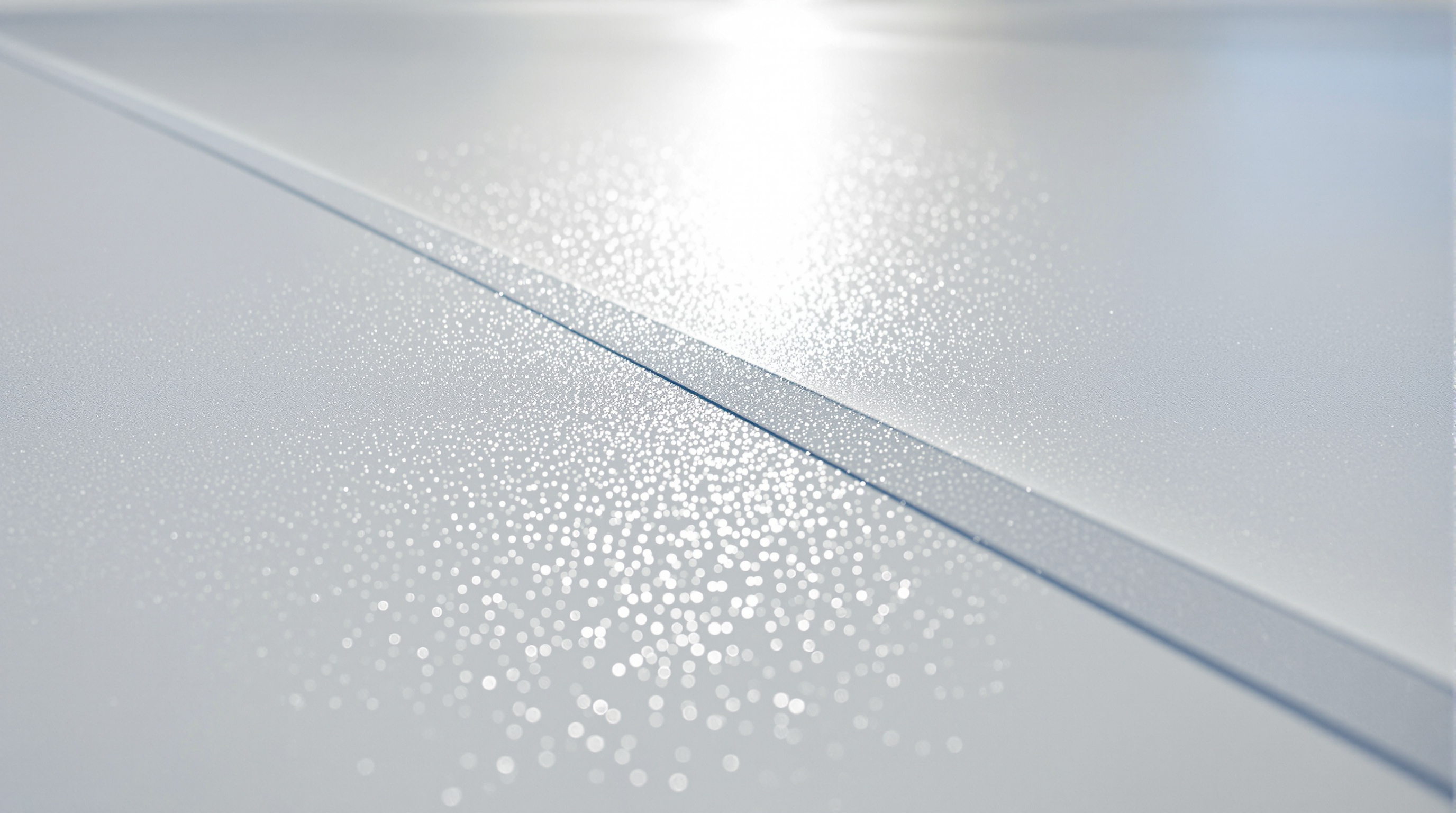
Chemical resistance to salt air is an underappreciated TPO advantage in coastal markets. Baldwin County commercial properties from Daphne to Gulf Shores operate in a persistent salt air environment. Salt deposits on roof membranes accelerate degradation of adhesive-bonded systems and corrode exposed metal fasteners. TPO's thermoplastic chemistry is inherently resistant to salt — the membrane itself doesn't degrade from salt exposure the way some modified bitumen and asphalt-based systems do. Combined with stainless steel or coated fasteners at coastal locations, a TPO system in salt air environments maintains its integrity without the accelerated maintenance schedule that other membranes require near the coast.
TPO Roofing Questions from Gulf Coast Property Owners
60-mil TPO properly installed with adequate drainage: 20–25 years in Gulf Coast conditions. The limiting factors are UV exposure (significant in South Alabama) and drainage adequacy — ponding water accelerates membrane degradation. Annual drain cleaning and biannual inspections extend service life toward the upper range. 45-mil TPO falls short of these lifespans in our UV environment — which is why we only install 60-mil on primary commercial buildings.
60-mil TPO fully installed: $6.50–$9.50 per square foot. This includes tear-off of the existing membrane, insulation board, membrane, edge metal, and all penetration details. Gulf Coast Wind Zone III requirements (higher fastening density, ANSI/SPRI ES-1 edge metal) add to cost compared to lower-wind markets. A 10,000 sq ft building replacement runs $65,000–$95,000 for TPO. Written per-square-foot estimates with line-item breakdown provided on all projects.
Yes, meaningfully so. 60-mil is 33% thicker than 45-mil — more puncture resistant from foot traffic and equipment service, more UV degradation resistant over a 20-year exposure cycle, and eligible for manufacturer systems warranty programs that 45-mil is not. The cost difference per square foot is small ($0.30–$0.60); the performance and warranty difference is significant. We install 60-mil on all commercial primary roofing applications.
Yes — measurably so in Gulf Coast conditions. TPO's standard white surface reflects 80%+ of solar radiation versus 10–20% reflection for dark membrane systems. The cooling benefit is most pronounced in buildings with inadequate insulation, buildings with lots of roof area relative to conditioned space, and facilities with high internal heat loads. ENERGY STAR-rated TPO (initial solar reflectance ≥ 0.65) qualifies for Cool Roof Tax Credits. In a 10,000 sq ft well-insulated facility, expect 10–20% cooling cost reduction versus dark membrane. In a poorly insulated building, the benefit is larger.
TPO requires minimal maintenance relative to its service life cost: biannual drain and scupper cleaning (critical in Gulf Coast debris environments); annual inspection of penetration flashings, edge metal terminations, and seams for any signs of separation; spot repairs of any cuts or punctures from equipment service before they allow water infiltration. Our commercial maintenance program covers all of these on an annual or semi-annual schedule for $0.08–$0.15/sq ft per year.
Get Your Free Roof Inspection
We'll assess your roof's condition and provide a detailed report — no cost, no obligation.
- Thorough roof inspection
- Detailed written report
- Same-day scheduling available
- Licensed & insured across Mobile & Baldwin County
What's Going On With Your Roof?
Free inspections • Same-day response • No obligation
No obligation · Licensed & insured · Same-day response