FORTIFIED Roofing in Mobile & Baldwin County, Alabama
Looking for FORTIFIED roofing in Mobile or Baldwin County? Upgrade to IBHS FORTIFIED standard and save 15–45% on Alabama homeowners insurance. The SAH grant covers up to $10,000 of the cost. The most financially impactful roofing upgrade for Gulf Coast homeowners.
- 15–45% Insurance Savings
- Up to $10,000 SAH Grant
- 5-Year FORTIFIED Designation
- Licensed & Insured
What's Going On With Your Roof?
Free inspections • Same-day response • No obligation
No obligation · Licensed & insured · Same-day response
Alabama Homeowners Overpay on Insurance Without a FORTIFIED Roof
Alabama homeowners insurance costs are among the highest in the country — and they've increased significantly in Gulf Coast markets following Hurricane Sally (2020) and Hurricane Ida's Alabama impacts. In coastal Baldwin County, some homeowners are paying $3,000–$6,000 per year for coverage on a mid-range home. Every year without FORTIFIED Roof designation is a year you're leaving $450–$2,700 on the table. Over 10 years, that's $4,500–$27,000 in insurance premium overpayment on a non-FORTIFIED roof — money that would have paid for the FORTIFIED upgrade many times over.
The SAH Grant Covers FORTIFIED Roof Upgrades — Up to $10,000
The Strengthen Alabama Homes (SAH) grant is a state-funded program that most homeowners never apply for — because their roofing contractor didn't tell them about it. The SAH grant provides up to $10,000 to eligible homeowners to upgrade their roof to IBHS FORTIFIED Roof standard. It's funded by the Alabama Department of Insurance, not a storm relief program — it exists year-round. Eligibility: owner-occupied primary residence, insured by a participating carrier, home passes a baseline inspection. Most Gulf Coast homes qualify. The grant has covered the full FORTIFIED upgrade cost for many homeowners with $0 out of pocket.
FORTIFIED Roofing Pays for Itself Through Insurance Savings
No other roofing upgrade delivers a measurable financial return on a defined timeline. A FORTIFIED Roof upgrade done during a full replacement adds $500–$1,500 to the project cost. The insurance premium reduction takes effect at your next renewal after the IBHS designation certificate is issued. If your policy runs $2,000/year and the discount is 25%, you're saving $500 per year. The upgrade cost recovers in 1–3 years. After that, every renewal is pure financial benefit. And after the 5-year designation period expires, a re-inspection (typically $150–$300) resets the clock.
FORTIFIED Roof vs. Standard Roofing — The Key Differences
The physical differences that separate FORTIFIED from standard installation: As a licensed and insured roofing contractor specializing in FORTIFIED roofing across Mobile County and Baldwin County, we handle every step of this process. Our roofers complete FORTIFIED installations regularly — we know exactly what the evaluator will inspect. This roofing company has guided hundreds of Gulf Coast homeowners through the FORTIFIED upgrade and SAH grant process. Schedule a free roof inspection to find out if your home qualifies.
- Sealed deck membrane at all edges
- Ring-shank nail patterns (6" field / 4" perimeter)
- Full secondary water barrier
- Sealed eaves, rakes, and roof edges
- Independent IBHS evaluator inspection
- SAH grant application assistance
Sealed Deck — The Most Important Element
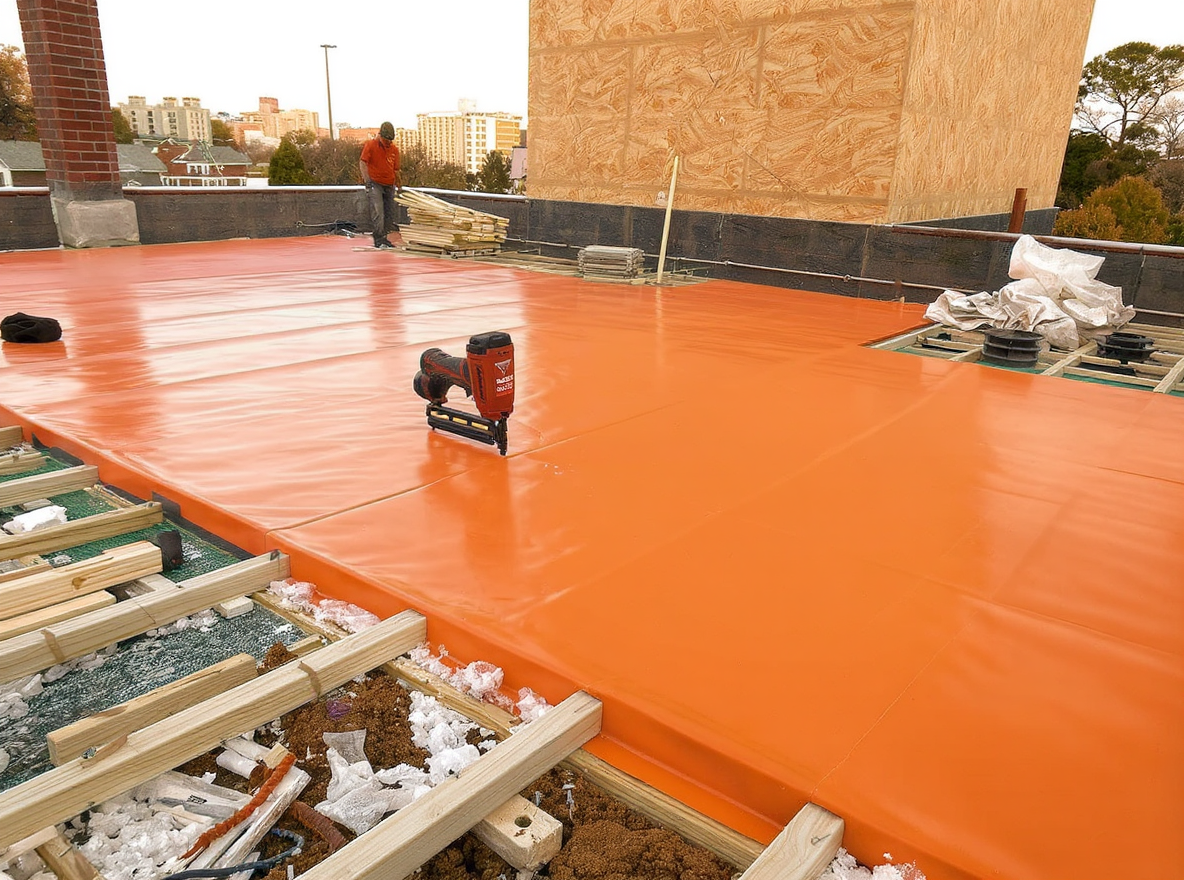
Self-adhering polymer-modified bitumen tape or sheet is applied at all deck edges, penetrations, and transitions. This is what keeps water out if shingles blow off in a 130+ mph wind event — the deck itself becomes a water barrier. Standard installations don't include this. After Hurricane Sally, homes with sealed decks had dramatically lower interior water damage even when shingles were displaced.
Ring-Shank Nail Pattern
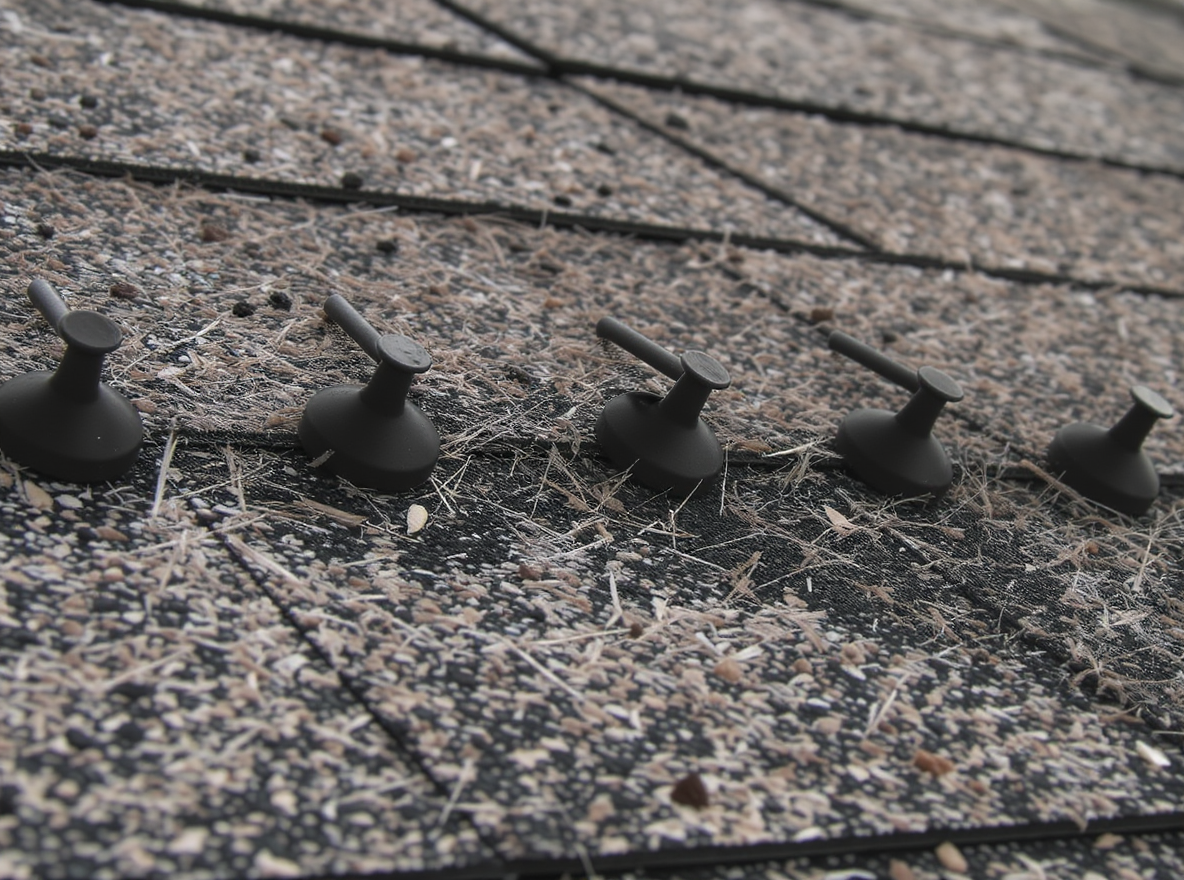
Standard smooth-shank nails pull out under wind uplift loads. Ring-shank nails provide 40–50% greater pull-out resistance. The FORTIFIED pattern — 6" field, 4" perimeter — specifically addresses the uplift forces at roof edges and rakes where wind load concentrates. This is a change in fastening schedule, not a change in materials.
-
Secondary Water Barrier
A full secondary water barrier — typically a self-adhering or taped synthetic underlayment — is installed over the full deck before shingles. This redundant layer intercepts water if the primary cover is compromised. In a hurricane scenario where shingles are partially lost, the secondary barrier is what stands between the storm and your attic.
-
Sealed Roof Edges, Eaves, and Rakes
All edges are sealed with approved tape or peel-and-stick to eliminate the wind infiltration paths at eaves and rakes. These are the entry points where wind-driven rain most commonly gets under standard shingle installations during severe storms.
-
Independent Third-Party Verification
FORTIFIED designation is issued by an independent IBHS-certified Evaluator who physically inspects the installation — not the installing contractor. This third-party verification is what makes the designation credible to insurance carriers. We coordinate the evaluator inspection as part of every FORTIFIED project.
FORTIFIED Roof by the Numbers — Savings for Alabama Homeowners
Strengthen Alabama Homes Grant — Eligibility and Application Process
The Strengthen Alabama Homes (SAH) grant is administered by the Alabama Department of Insurance and is funded by a small annual surcharge on all Alabama property insurance policies. Every Alabama homeowner who pays property insurance contributes to this fund — you should be using it.
Eligibility requirements: owner-occupied primary residence in Alabama; insured by a participating insurance carrier (most major Alabama carriers participate — State Farm, Farmers, Allstate, USAA, and most regional carriers); the home passes a baseline inspection confirming it's in insurable condition. Most Gulf Coast homes that have been maintained qualify.
The application process requires timing: you apply at the Alabama Department of Insurance SAH portal BEFORE work begins — not after. Your contractor must be a registered SAH contractor. The grant is paid directly to the contractor after the work is verified by a FORTIFIED Evaluator. Waitlists exist during high-demand periods, so apply early and coordinate timing with your carrier and contractor. We are a registered SAH contractor and guide customers through the entire paperwork process.
The grant covers the cost premium of FORTIFIED-compliant installation details above a standard replacement — the sealed deck membrane, ring-shank nails, and secondary barrier. For most projects, the grant covers the entire upgrade premium, meaning you get FORTIFIED designation and the associated insurance savings at zero additional cost above a standard replacement.
FORTIFIED Roof Installation — From Assessment to IBHS Certification
- 1
FORTIFIED Assessment & SAH Grant Pre-Qualification
We assess your home's eligibility for the SAH grant, walk through the insurance savings estimate for your specific carrier and coverage level, and provide a written project quote that separates the standard replacement cost from the FORTIFIED upgrade premium. You see exactly what the upgrade costs — and exactly what you'll save.
- 2
SAH Grant Application (If Eligible)
We assist with the SAH grant application at the Alabama DOI portal before work begins. Waitlist timing is factored into your project schedule. We handle the contractor registration paperwork on our end — you provide the homeowner application with our guidance.
- 3
Complete Tear-Off & Deck Inspection
Full removal of existing roofing. Complete deck inspection with photographic documentation. Any damaged decking replaced before the FORTIFIED sealed deck layer goes down. The deck condition inspection is part of FORTIFIED compliance documentation.
- 4
FORTIFIED Installation to IBHS Specifications
Sealed deck membrane at all edges and penetrations. Ring-shank nails to the FORTIFIED pattern. Secondary water barrier over full deck. Sealed eaves and rakes. Qualified roofing cover installed per IBHS specifications. We photograph every stage for the FORTIFIED documentation file.
- 5
Independent Evaluator Inspection & IBHS Certification
We coordinate the inspection by an independent IBHS-certified FORTIFIED Evaluator. The evaluator physically inspects the installation against FORTIFIED specifications and submits verification to IBHS, which issues the designation certificate. You receive the certificate and can immediately notify your insurance carrier to apply the premium discount.
- Save 15–45% on Alabama homeowners insurance with FORTIFIED designation
- SAH grant covers up to $10,000 — most homeowners pay $0 extra
- Upgrade adds only $500–$1,500 during a full roof replacement
- Independent IBHS evaluator verifies installation — not the contractor
FORTIFIED Roof Performance in Real Hurricane Conditions
The post-hurricane performance data is clear. IBHS conducted field studies after multiple Gulf Coast events including Hurricane Michael (Category 5 at Florida Panhandle landfall, 2018) and Hurricane Sally (Category 2 at Gulf Shores landfall, 2020). FORTIFIED Roof homes in both impact zones experienced significantly less interior water damage than comparable non-FORTIFIED homes in the same neighborhoods — even when shingles were damaged or lost.
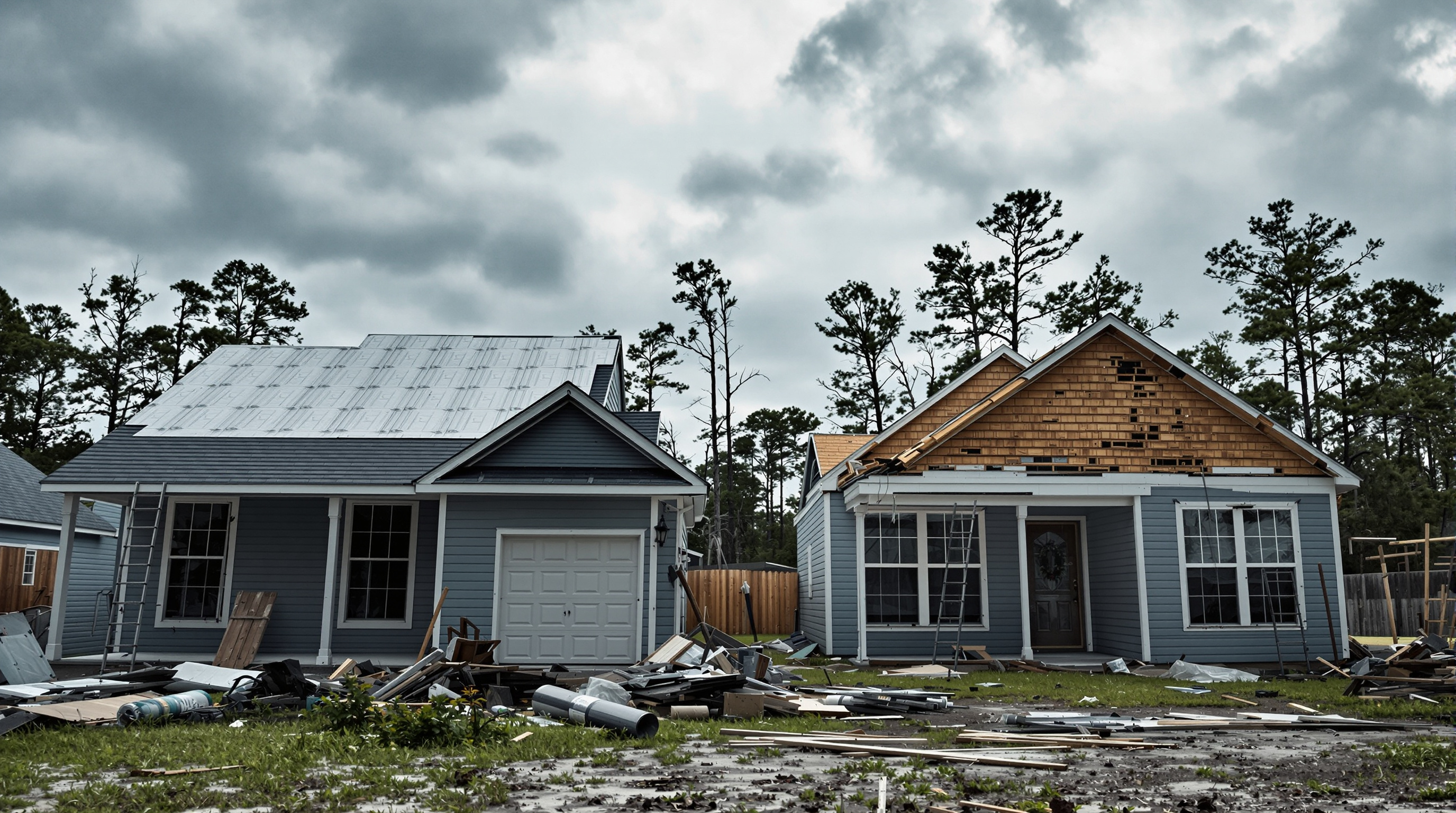
The sealed deck is why. In a hurricane, shingles can blow off the roof while the sealed deck membrane remains intact. Water that would have entered directly through the exposed deck is instead redirected at the sealed membrane surface. The difference between a FORTIFIED home and a standard home after a Category 2 storm landfall can be the difference between "new shingles needed" and "interior damage requiring months of remediation."
After Hurricane Sally, homeowners in FORTIFIED-designated properties in the Gulf Shores and Fairhope impact areas reported substantially lower claims compared to their neighbors with standard roofing. Several reported zero interior water damage despite shingle loss. The sealed deck performed exactly as designed.
FORTIFIED Roofing Results — Alabama Homeowner Experiences
"We used the SAH grant and paid zero extra for the FORTIFIED upgrade. Insurance premium dropped 38% at renewal. I wish I'd known about this program 10 years ago when we first replaced the roof."
"When Sally hit, three houses on my street had significant interior water damage. Mine didn't — the sealed deck held even though I lost some shingles. That's the difference. Worth every dollar of the upgrade even without the insurance savings."
"Southern Roofing handled everything — the SAH application, the evaluator scheduling, the insurance documentation. I didn't have to figure out the bureaucracy. The certificate showed up, I called my carrier, and the discount was on my next bill."
FORTIFIED Roofing Questions from Gulf Coast Homeowners
FORTIFIED Roof is a designation from the Insurance Institute for Business and Home Safety (IBHS) that certifies a roof was built to withstand severe weather. The physical differences: the roof deck is fully sealed with self-adhering membrane at all edges and penetrations; ring-shank nails are used on a specific pattern (6" field, 4" perimeter) to resist wind uplift; a secondary water barrier is installed over the full deck; and all edges, eaves, and rakes are sealed. It's a stricter installation standard applied to the same materials — not a different product.
Alabama homeowners with FORTIFIED Roof designation save 15–45% on their annual insurance premiums, depending on their carrier and the age of their home. On a $1,800/year policy, that's $270–$810 per year. After Hurricane Sally in 2020, several major Alabama carriers raised premiums for non-FORTIFIED homes in coastal zip codes while holding rates for FORTIFIED-designated properties. Contact your specific carrier to get a pre-upgrade quote on what your discount would be.
The SAH grant is administered by the Alabama Department of Insurance and provides up to $10,000 for eligible homeowners to upgrade their roof to FORTIFIED Roof standard. Eligibility: owner-occupied primary residence, insured by a participating carrier, home passes a baseline inspection. Apply at the Alabama DOI SAH portal BEFORE work begins. Your contractor must be a registered SAH contractor. We are registered and handle the paperwork process with you.
Done during a full roof replacement, the FORTIFIED upgrade adds approximately $500–$1,500 to the project cost. The SAH grant covers up to $10,000 of the upgrade cost, which means most homeowners pay nothing out-of-pocket for the FORTIFIED upgrade when combined with the grant. The payback through insurance savings typically ranges from 2–5 years even without the grant.
Yes. IBHS field studies after Hurricane Sally (Category 2, Gulf Shores, 2020) and Hurricane Michael (Category 5, Florida Panhandle, 2018) found that FORTIFIED Roof homes experienced significantly less interior water damage even when shingles were damaged or lost. The sealed deck is the reason — even with shingle loss, water cannot penetrate the deck layer. After Hurricane Sally, homes with FORTIFIED designation in the direct impact zone had substantially lower damage claims than comparable non-FORTIFIED homes.
FORTIFIED Roof designation requires inspection by an independent IBHS-certified FORTIFIED Evaluator — not the installing contractor. The evaluator physically inspects the installation against FORTIFIED specifications and submits verification to IBHS, which issues the official designation certificate. Evaluator fees typically run $200–$400. We coordinate the evaluator inspection as part of every FORTIFIED project.
Get Your Free Roof Inspection
We'll assess your roof's condition and provide a detailed report — no cost, no obligation.
- Thorough roof inspection
- Detailed written report
- Same-day scheduling available
- Licensed & insured across Mobile & Baldwin County
What's Going On With Your Roof?
Free inspections • Same-day response • No obligation
No obligation · Licensed & insured · Same-day response