Metal Roofing in Mobile & Baldwin County, Alabama
Looking for metal roofing in Mobile or Baldwin County? Standing seam engineered for ASCE 7 Gulf Coast wind zones. Rated for salt air. Built to last 40–70 years where asphalt shingles fail in 18–25. Qualifies for FORTIFIED™ designation and 35-60% off the hurricane portion / 20-35% off other-wind premium (verify with your carrier) insurance savings.
- 40–60 Year Lifespan
- Wind-Rated for coastal design wind loads
- FORTIFIED Roof Eligible
- Salt Air Coatings Specified per Location
What's Going On With Your Roof?
Free inspections • Same-day response • No obligation
No obligation · Licensed & insured · Same-day response
Why Asphalt Shingles Fail Faster in South Alabama's Climate
National roofing industry data quotes architectural shingles at 25–30 years. That number comes from Midwestern and Mid-Atlantic markets where average rainfall is 35–40 inches per year, UV intensity is moderate, and the nearest saltwater is hundreds of miles away. In Mobile County and Baldwin County, the honest lifespan for architectural shingles is 18–25 years — and in coastal areas within 5 miles of open water, closer to 15–18 years. The combination of 66" annual rainfall, sustained UV intensity that accelerates granule loss, salt air that degrades shingle adhesive strips, and hurricane-force wind cycles every few years means your asphalt roof is working significantly harder than the manufacturer's test conditions assumed.
The 40-Year Cost of Choosing Shingles Over Metal Roofing
On a 40-year ownership horizon, a shingle roof means at least one full replacement, multiple repairs, and sustained insurance costs. Average architectural shingle replacement cost in our market: $10,000–$18,000. Add $1,500–$4,000 in maintenance and repairs over the 20-year lifespan. Then another replacement at year 20. Meanwhile, every year you're paying insurance premiums on a non-FORTIFIED, non-metal roof — the most expensive coverage profile available. The total 40-year cost of two shingle roofs often exceeds the cost of one metal roof that doesn't need replacement within that window.
Standing Seam Metal Roofing — One Installation, Decades of Protection
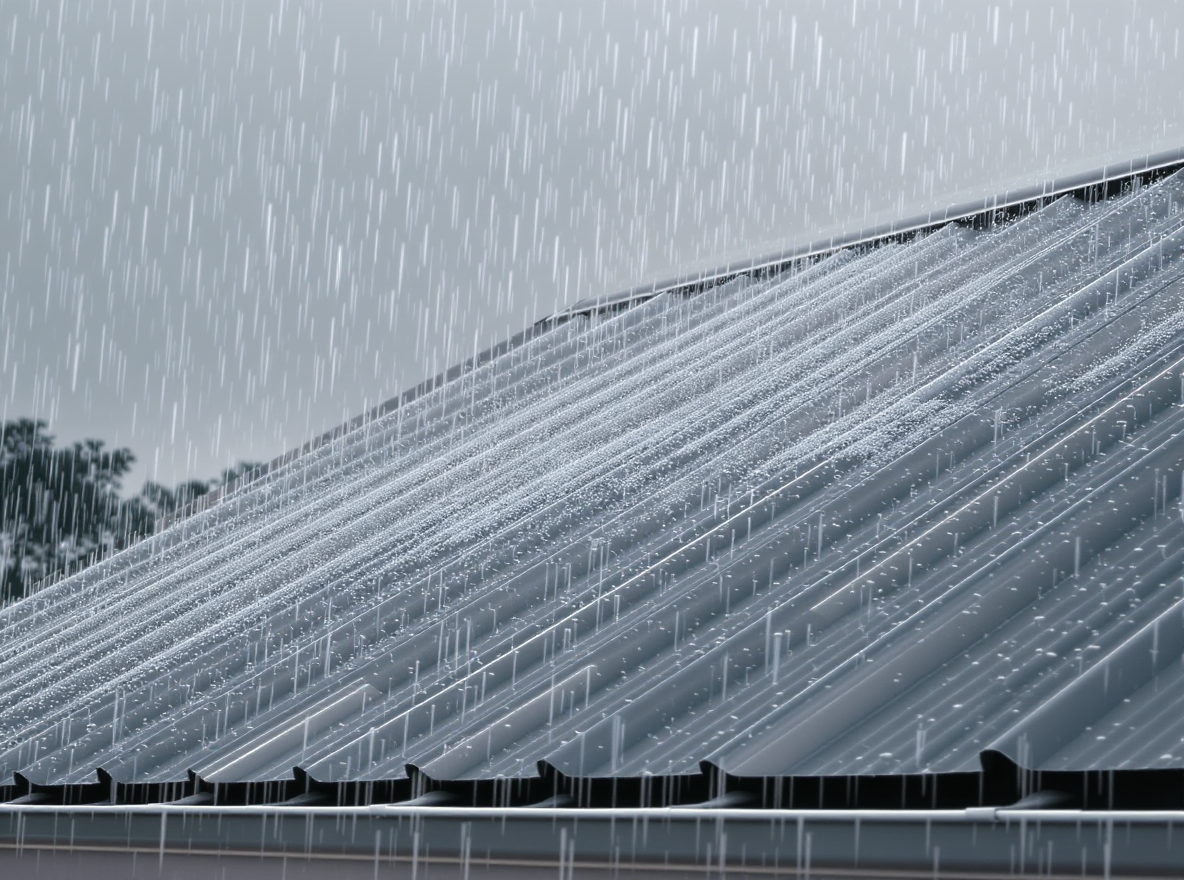
Standing seam metal roofing eliminates the replacement cycle. A properly specified and installed standing seam system — Galvalume Plus with PVDF coating in coastal zones, engineered clip systems for high-wind coastal zones, concealed fasteners that eliminate the screw-hole vulnerability of exposed-fastener systems — will outlast two generations of shingle roofs on the same home. It qualifies for FORTIFIED Roof designation, which cuts insurance premiums 35-60% off the hurricane portion / 20-35% off other-wind premium (verify with your carrier). It sheds 66 inches of annual rainfall at a roofline that never develops the micro-fractures and adhesive failures that plague shingles in tropical rainfall events. It handles salt air without the corrosion that makes coastal metal roofing a concern for homeowners who haven't had a contractor specify the right product for their proximity to water.
Standing Seam vs. Exposed-Fastener Metal Roofing in Alabama
Concealed Fasteners Make the Difference
Not all metal roofing performs equally in Gulf Coast conditions — and the difference matters significantly. The category of "metal roofing" includes everything from corrugated farm panels to engineered architectural standing seam systems, and the lifespan gap between the best and worst options is 20–30 years.
Standing seam is defined by concealed fasteners at raised vertical seams. Panels interlock at seams that run from ridge to eave, with no exposed screws through the face of the panel. The concealed fastener is the critical detail — every exposed screw on a standard R-panel or corrugated metal roof is a potential failure point.
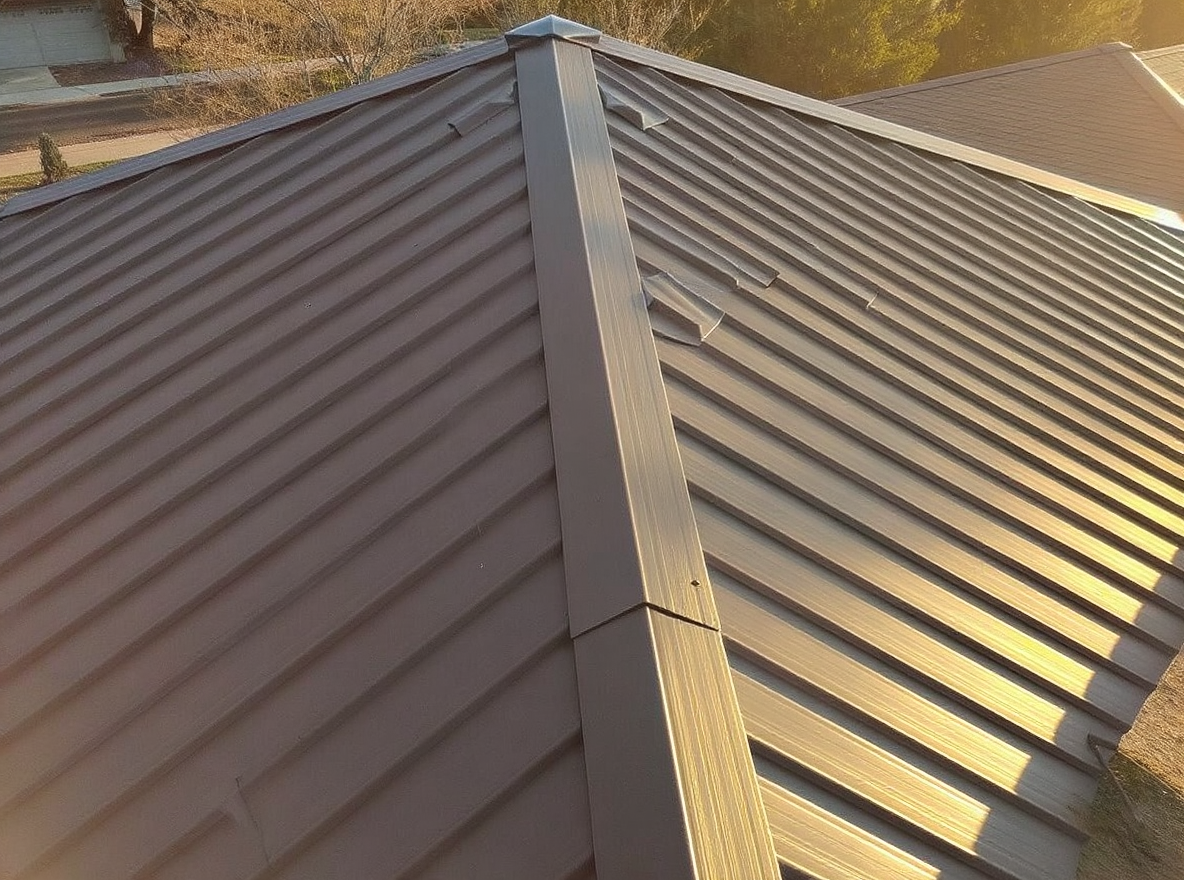
The EPDM washers under exposed screws degrade in UV within 15–20 years. Thermal expansion and contraction in our Gulf Coast temperature extremes (35°F winter mornings to 105°F summer afternoons) gradually loosens fasteners over dozens of daily cycles. Standing seam's concealed clip system handles thermal movement without creating leak points.
After Hurricane Sally and Hurricane Ivan, post-event performance data on metal roofs showed a clear pattern: standing seam systems with concealed fasteners and engineered UL-rated clip systems survived at dramatically higher rates than exposed-fastener metal products. The clip system's ability to accommodate panel movement under load — allowing some deflection without failure — is part of what makes standing seam the correct specification for Gulf Coast ASCE 7 coastal wind design.
Metal Roofing Specifications for Coastal Alabama Salt Air
Site-Specific Product Selection for Salt Air
Salt air corrosion is a legitimate concern for metal roofing in coastal Alabama — and it's one that generic roofing contractors handle incorrectly. As a licensed and insured roofing company with expertise across both Mobile County and Baldwin County, we specify the right product for each property's distance from saltwater. Our roofers understand the difference between a coastal job in Orange Beach and an inland installation in Saraland. Schedule a free roof inspection to get a site-specific metal roofing recommendation. The correct specification depends on proximity to saltwater, not on a single product applying to all Gulf Coast homes.
- Galvalume steel with PVDF coating (5+ miles from water)
- Galvalume Plus for mid-coastal zones (1–5 miles)
- Aluminum standing seam for waterfront properties
- Concealed-fastener clip systems
- Wind-rated for high-wind coastal zones
- FORTIFIED Roof eligible for insurance savings
For properties within 1–5 miles of saltwater — Fairhope waterfront, Spanish Fort near Mobile Bay, southern Daphne — Galvalume Plus with PVDF coating is the correct specification. The enhanced alloy and paint system handles the higher salt deposit load in these zones.
For properties within 1 mile of open Gulf or bay water — Orange Beach, Gulf Shores, Dauphin Island coastal sections — aluminum standing seam eliminates the corrosion concern entirely. Aluminum doesn't rust. It costs 20–25% more than steel systems but has no corrosion ceiling in salt air. This is the specification we recommend for waterfront properties and coastal lots with direct salt exposure.
Metal Roofing with FORTIFIED Roof Designation — Cut Insurance 35-60% off the hurricane portion / 20-35% off other-wind premium (verify with your carrier)
Metal roofing and FORTIFIED Roof designation are a natural combination. Metal roofing — particularly standing seam — meets or exceeds the wind resistance requirements for FORTIFIED Roof certification. When installed with the FORTIFIED sealed deck requirements (self-adhering membrane at all edges and penetrations), ring-shank nail pattern, and secondary water barrier, a metal roof earns FORTIFIED designation — and Alabama homeowners with FORTIFIED designation save 35-60% off the hurricane portion / 20-35% off other-wind premium (verify with your carrier) on annual insurance premiums.
The SAH (Strengthen Alabama Homes) grant covers up to $10,000 of FORTIFIED upgrade costs for eligible homeowners, which means many homeowners pay zero additional cost for the FORTIFIED upgrade premium when metal roofing is the choice. For full details on FORTIFIED savings, see our FORTIFIED Roofing page.
Metal Roofing Installation — Step by Step in Mobile & Baldwin County
-
Free Estimate & Site-Specific Specification
We assess your home's location relative to saltwater, roof geometry, pitch, and existing conditions. We specify the correct metal product, coating, and profile for your specific site — not a one-size-fits-all catalog selection. Written estimate with full material and labor breakdown.
-
Tear-Off & Deck Inspection
Full removal of existing roofing. Complete deck inspection — every board checked, damaged sections replaced. Metal requires a sound deck for proper panel attachment; we don't skip this step.
-
Underlayment & FORTIFIED Prep (if applicable)
High-temp synthetic underlayment rated for the radiant heat environment under metal roofing (our attics reach 160°F). If FORTIFIED, peel-and-stick self-adhering membrane at all edges and penetrations before panel installation.
-
Panel Installation to ASCE 7 coastal wind design Specifications
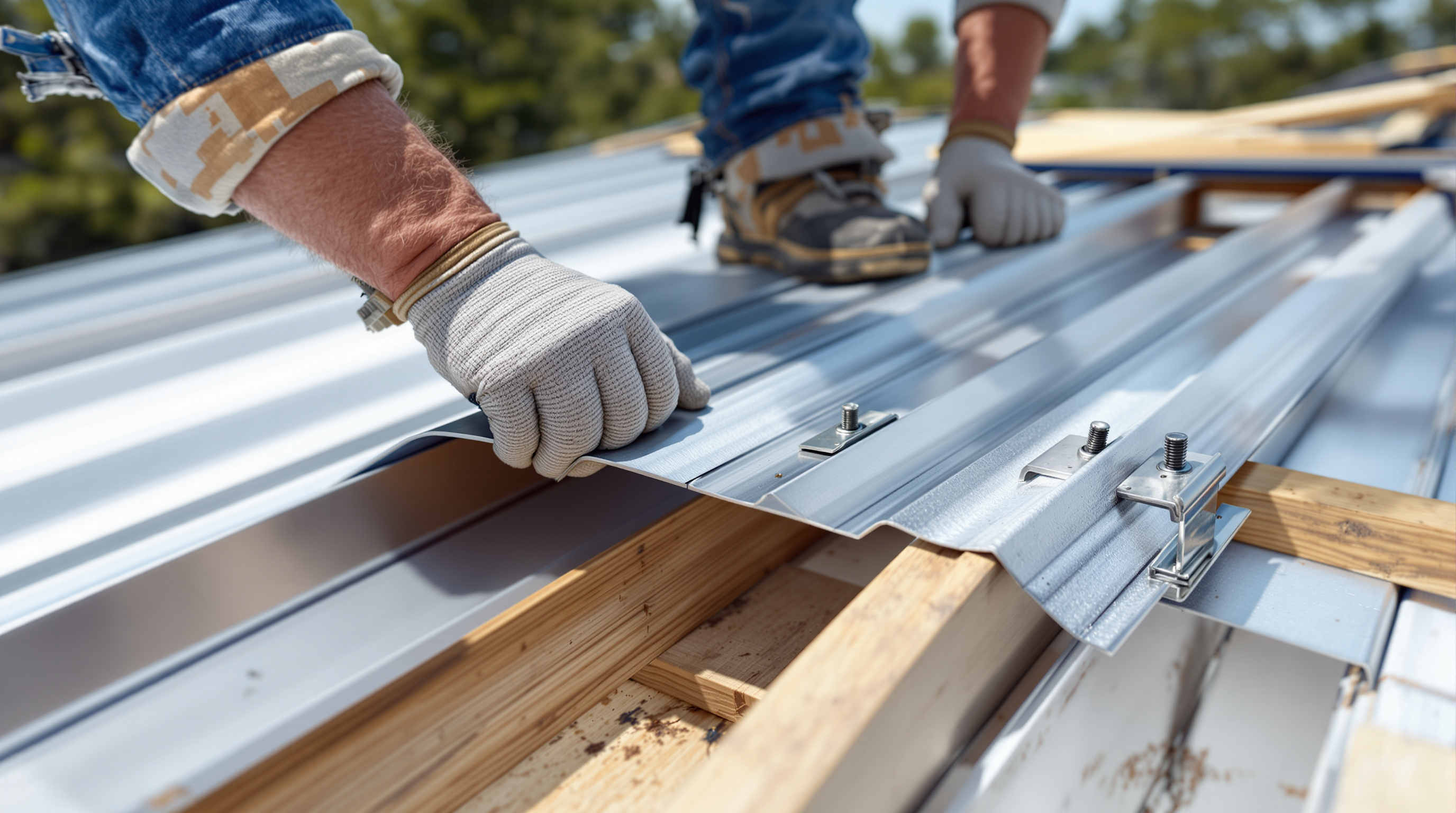
Concealed clip systems engineered for the design wind speed at your specific location. Every panel run, seam snap, and trim termination installed to the manufacturer's requirements for warranty compliance and UL rating maintenance.
-
FORTIFIED Evaluator Inspection & Documentation
If pursuing FORTIFIED designation, we coordinate the independent IBHS-certified evaluator inspection. We provide all installation documentation to the evaluator and support the SAH grant paperwork process. You receive the FORTIFIED certificate and written warranty documentation.
- Standing seam with concealed fasteners — no screw-hole leak points
- Salt air-specific product selection based on distance from coastline
- FORTIFIED Roof eligible with 35-60% off the hurricane portion / 20-35% off other-wind premium (verify with your carrier) insurance premium savings
- 40–70 year lifespan eliminates the shingle replacement cycle
A Metal Roofing Contractor with Gulf Coast-Specific Expertise
Site-Specific Panel Selection
We don't apply the same metal product to every job. Proximity to saltwater, local wind design speeds, roof geometry, and budget all factor into which product we specify. The difference between the correct specification and a generic one is potentially 20 years of service life.
ASCE 7 coastal wind design Engineered Systems
Our metal installations use clip systems and fastening patterns engineered for the high coastal design wind loads of ASCE 7 coastal wind design. We don't improvise fastener schedules — every installation follows the engineered attachment method for the specific product and location.
FORTIFIED Roof Integration
We handle the full FORTIFIED process for metal roofing projects — installation to spec, independent evaluator coordination, IBHS certification, and SAH grant application assistance. This is the path to insurance savings that most metal roofing contractors don't know how to navigate.
40-Year Paint Warranty Compliance
Manufacturer paint warranties on PVDF-coated metal require proper installation to remain valid. We install to manufacturer specs — underlayment requirements, ventilation clearances, accessory products from the same system family — so your warranty documentation means something.
Metal Roofing Costs for Gulf Coast Homes — Real Pricing
Standing seam metal roofing runs $14,000–$30,000 installed for a typical 1,800–2,400 sq ft Gulf Coast home. The range reflects roof complexity — a simple gable-end home installs faster and costs less than a craftsman home with multiple valleys, dormers, and intersecting planes. Aluminum standing seam for coastal saltwater-proximate properties runs 20–25% more than steel.
Exposed-fastener metal panels (R-panel, corrugated) cost less — $8,000–$14,000 — but have a 20–30 year lifespan due to fastener seal degradation. They're appropriate for outbuildings and secondary structures; standing seam is the correct choice for primary residences.
Stone-coated steel — metal performance with a traditional aesthetic — runs $12,000–$22,000 installed. Good for homeowners who want the lifespan without the standing-seam look.
On a 40-year total cost comparison against two shingle replacements plus maintenance, metal typically costs $5,000–$15,000 less in total — before FORTIFIED insurance savings are factored in. With 35-60% off the hurricane portion / 20-35% off other-wind premium (verify with your carrier) insurance savings over 40 years, the financial case for metal is clear for most Gulf Coast homeowners. For a detailed comparison, see our metal vs. shingles guide for Gulf Coast homes.
Metal Roofing Questions Alabama Homeowners Ask
Yes — when the right product is specified. Standard Galvalume steel performs well up to about 5 miles from the coastline. For homes in Orange Beach, Gulf Shores, Dauphin Island, and coastal Fairhope within a mile or two of open water, Galvalume Plus with PVDF coating is the correct specification. Aluminum roofing eliminates the corrosion concern entirely but costs 20–25% more. Every metal roof we install in coastal zones gets a product spec matched to proximity to saltwater — this is a critical detail that generic contractors miss.
Standing seam metal roofing runs $14,000–$30,000 installed for a typical 1,800–2,400 sq ft Gulf Coast home, compared to $10,000–$16,000 for architectural shingles. The upfront premium is real — typically 40–70% more. On a 40-year ownership horizon, metal typically costs less in total when you factor in one shingle replacement, maintenance, and insurance premium differences through FORTIFIED designation.
Not when properly installed. The noise concern applies primarily to metal roofing installed directly over open purlins with no attic below — the kind on barns and agricultural buildings. Residential standing seam installed over solid decking with underlayment produces sound levels comparable to asphalt shingles during rain. Customers who have replaced shingle roofs with metal consistently report the rain sound is similar or quieter than expected.
Yes — it matters significantly. Mobile County and Baldwin County are in ASCE 7 coastal wind design, with high coastal design wind loads depending on proximity to the coast. Properly installed standing seam with concealed fasteners and engineered clip systems achieves UL 90 or better — meaning panels resist 150+ mph uplift forces. After Hurricane Sally and Hurricane Ivan, metal roofs with proper concealed-fastener systems showed dramatically better survival rates than exposed-fastener products.
It can, in two ways. First, metal roofing with impact and wind ratings is viewed favorably by underwriters, and some carriers offer credits for Class 4 impact ratings. Second, and more significantly, metal roofing qualifies as the roofing component for FORTIFIED Roof designation. Alabama's SAH grant and the IBHS FORTIFIED program together can reduce annual premiums by 35-60% off the hurricane portion / 20-35% off other-wind premium (verify with your carrier).
Standing seam metal: 40–60 years with essentially zero maintenance beyond keeping gutters clear. The limiting factor in coastal Alabama is the paint system — Galvalume with PVDF coating retains 80%+ of its color and film integrity for 40 years in coastal UV conditions. Aluminum standing seam has no corrosion ceiling — properly maintained aluminum installations routinely exceed 60 years. Compare this to architectural shingles at 18–25 years in our climate.
Get Your Free Roof Inspection
We'll assess your roof's condition and provide a detailed report — no cost, no obligation.
- Thorough roof inspection
- Detailed written report
- Same-day scheduling available
- Licensed & insured across Mobile & Baldwin County
What's Going On With Your Roof?
Free inspections • Same-day response • No obligation
No obligation · Licensed & insured · Same-day response